· Blockchain · 3 min read
Zero-Knowledge Proofs (ZKPs) in Action: Privacy in SaaS & Web3
Zero-Knowledge Proofs (ZKPs) in Action: Privacy in SaaS & Web3
In the digital world, verification and privacy have traditionally been at odds. If a bank wants to verify that you make over $100k a year to approve a loan, you must show them your tax returns, exposing your exact income, employer, and tax details. If a SaaS application wants to verify you are a resident of a particular country, you typically upload a passport scan, sharing your date of birth, photo, and ID numbers.
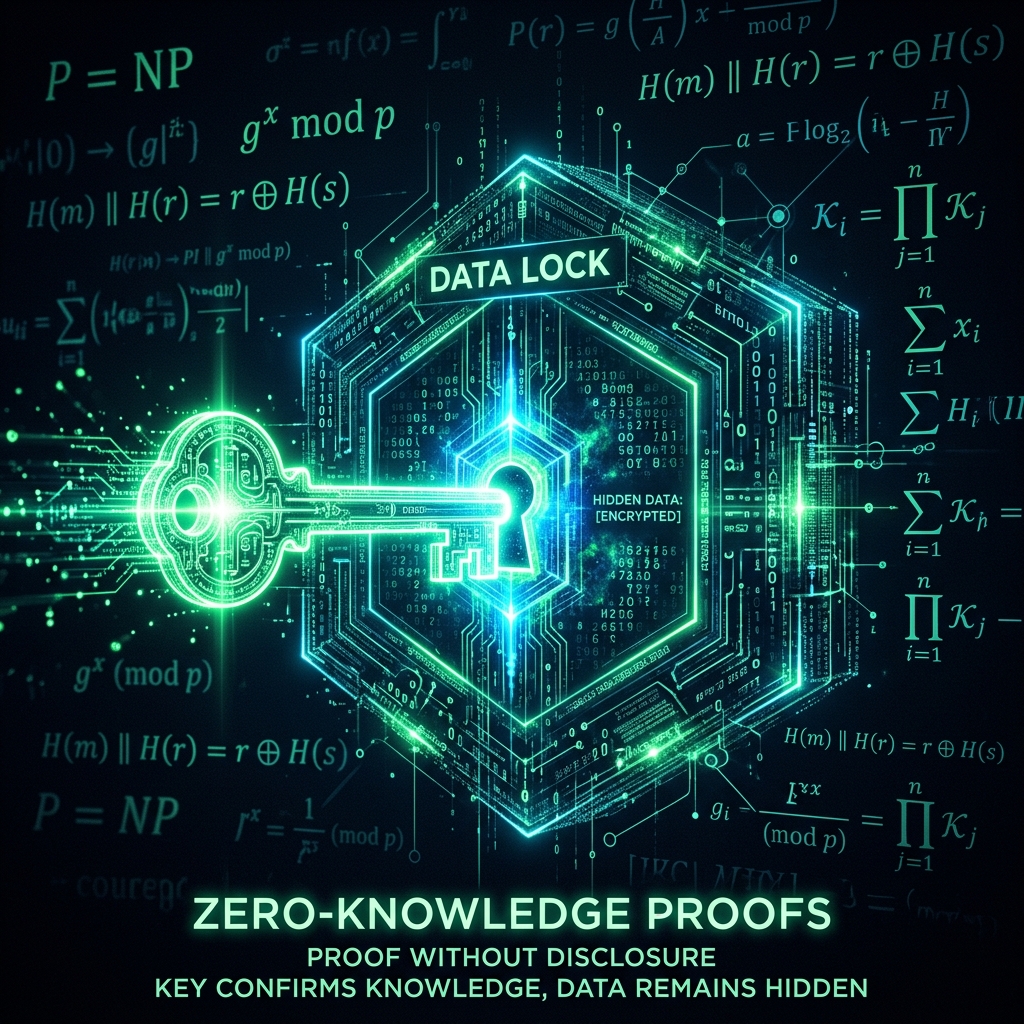
In 2026, Zero-Knowledge Proofs (ZKPs) are changing this equation completely. They allow one party (the prover) to prove to another party (the verifier) that a statement is true, without revealing any information beyond the validity of the statement itself.
Let’s explore how ZKPs are being integrated into Web3 ecosystems and modern SaaS architectures.
The Cryptographic Magic: Provers and Verifiers
At its core, a ZKP relies on complex mathematical algorithms (such as zk-SNARKs and zk-STARKs). The workflow consists of three main elements:
- The Statement: The fact you want to prove (e.g., “I am over 18 years old”).
- The Witness: The private data that proves the statement (e.g., your actual birthdate).
- The Proof: The cryptographic hash generated by running the witness through a ZK-circuit.
The verifier runs a validation check on the Proof. The verification code returns a simple true or false. They never see the Witness (your birthdate), yet they are mathematically guaranteed that you have the private data required to produce a valid proof.
ZKPs in Web3: Scaling and Confidentiality
In decentralized networks, transparency is both a feature and a bug. Every transaction on a public ledger is viewable by anyone, which is unacceptable for corporate finance or personal wealth management. ZKPs solve this:
1. Private Transactions (Zk-Rollups)
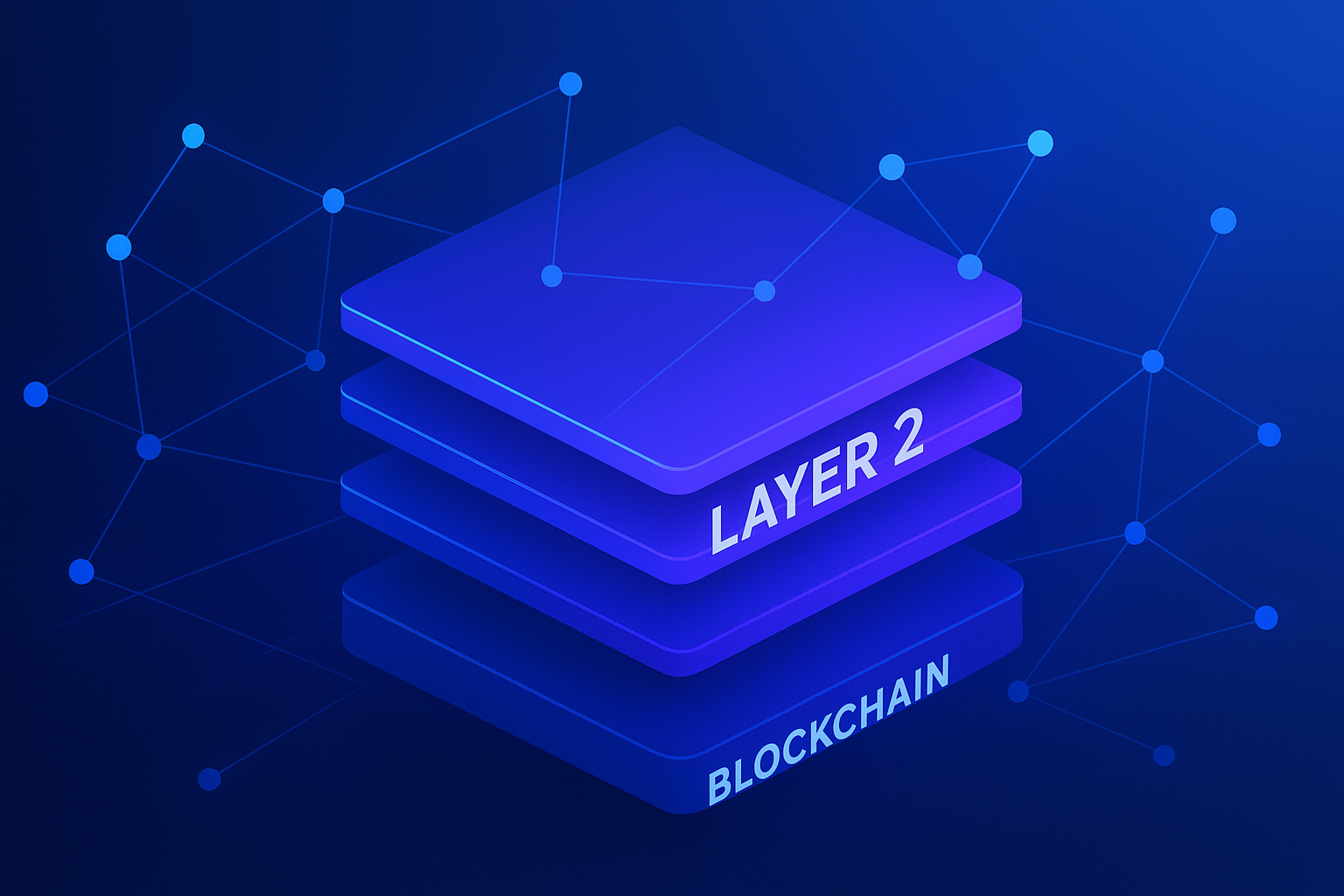
Layer-2 solutions (like zkSync, Starknet, and Polygon Hermez) bundle hundreds of transactions off-chain, generate a single ZKP proving their validity, and submit that proof to the main Ethereum chain. This reduces gas fees to a fraction of a cent while keeping individual transaction amounts and addresses private.
2. Trustless Identity (Zk-Identity)
Users can generate zk-proofs of their credentials (like citizenship, credit scores, or clean record checks) from government-approved issuers. They can then share these proofs with decentralized applications (dApps) to pass compliance checks without exposing their real-world identities.
ZKPs in Enterprise SaaS: Safe Data Exchange
Enterprise SaaS companies are starting to adopt ZKPs to protect customer databases and comply with strict regulations like GDPR and CCPA:
- Zero-Knowledge Authentication: Users can log into systems by proving they know their passwords without the server ever receiving or storing the password (or even its standard salted hash), rendering database leaks harmless.
- Secure API Integrations: A HR software SaaS can prove to an insurance software SaaS that an employee is active and eligible for benefits, without exposing the employee’s salary, role, or medical records.
- Compliance Attestation: Financial platforms can prove they conform to regulatory thresholds (such as maintaining specific liquidity reserves) without disclosing their exact balances or trade details to auditors.
Looking Forward: The ZK-Everything Stack
As compiler tools and hardware acceleration improve in 2026, the performance penalty of generating ZK-proofs is falling rapidly. We are moving toward a future where ZK-proof generation is built directly into hardware chips (like GPUs and custom ASICs) and mobile web browsers.
For developers and consultants, understanding how to construct ZK-circuits (using languages like Circom, Noir, or Cairo) is fast becoming a core skill. By offering verifiable truth without compromising personal data, Zero-Knowledge Proofs represent the next fundamental boundary layer of the secure internet.