· Blockchain · 5 min read
Layer 2 Solutions Explained - Scaling Blockchain for Mass Adoption
Layer 2 Solutions Explained: Scaling Blockchain for Mass Adoption
Blockchain technology promises decentralization, security, and transparency. But it faces a critical challenge: scalability. As adoption grows, networks like Ethereum struggle with high fees and slow transactions, limiting their potential.
Layer 2 (L2) solutions are solving this problem by moving computation off the main chain while maintaining security guarantees. This guide explains how L2 solutions work, the different types available, and their role in blockchain’s future.
The Scalability Problem
Why Blockchains Are Slow
Blockchain limitations:
- Sequential processing: Transactions processed one by one
- Consensus overhead: Every node validates every transaction
- Block size limits: Limited transactions per block
- Network congestion: High demand creates bottlenecks
The numbers:
- Bitcoin: ~7 transactions per second (TPS)
- Ethereum: ~15 TPS (before upgrades)
- Visa: ~24,000 TPS
- Target: Millions of TPS for global adoption
The Blockchain Trilemma
Every blockchain faces three competing priorities:
- Decentralization: Distributed control
- Security: Resistance to attacks
- Scalability: High throughput
Traditional blockchains can optimize for two, but struggle with all three. Layer 2 solutions aim to solve this by maintaining security and decentralization while dramatically improving scalability.
What Are Layer 2 Solutions?
Layer 2 solutions are protocols built on top of Layer 1 blockchains (like Ethereum) that:
- Process transactions off-chain: Reduce main chain load
- Batch transactions: Group many transactions together
- Maintain security: Use L1 for final settlement
- Improve performance: Faster and cheaper transactions
Key benefits:
- Lower fees: 10-100x cheaper than L1
- Faster transactions: Near-instant confirmation
- L1 security: Inherits security from base chain
- EVM compatibility: Works with existing tools
Types of Layer 2 Solutions
1. Optimistic Rollups
How they work:
- Transactions processed off-chain
- Batched into single transaction
- Posted to L1 with state root
- Assumed valid unless challenged
- Fraud proofs used for disputes
Key features:
- Optimistic: Assumes transactions are valid
- Challenge period: 7-day window for disputes
- Full EVM compatibility: Run any smart contract
- Lower costs: Batch processing reduces fees
Examples:
- Arbitrum: Largest by TVL, advanced fraud proofs
- Optimism: Fast finality, native token (OP)
- Base: Coinbase’s L2, growing ecosystem
Pros:
- Full smart contract support
- Lower fees than L1
- Good security model
- Easy migration from L1
Cons:
- 7-day withdrawal period
- Requires watchtowers for security
- Centralized sequencers (in some cases)
2. Zero-Knowledge Rollups (ZK-Rollups)
How they work:
- Transactions processed off-chain
- Cryptographic proof generated (ZK-proof)
- Proof posted to L1
- L1 verifies proof (not transactions)
- Instant finality
Key features:
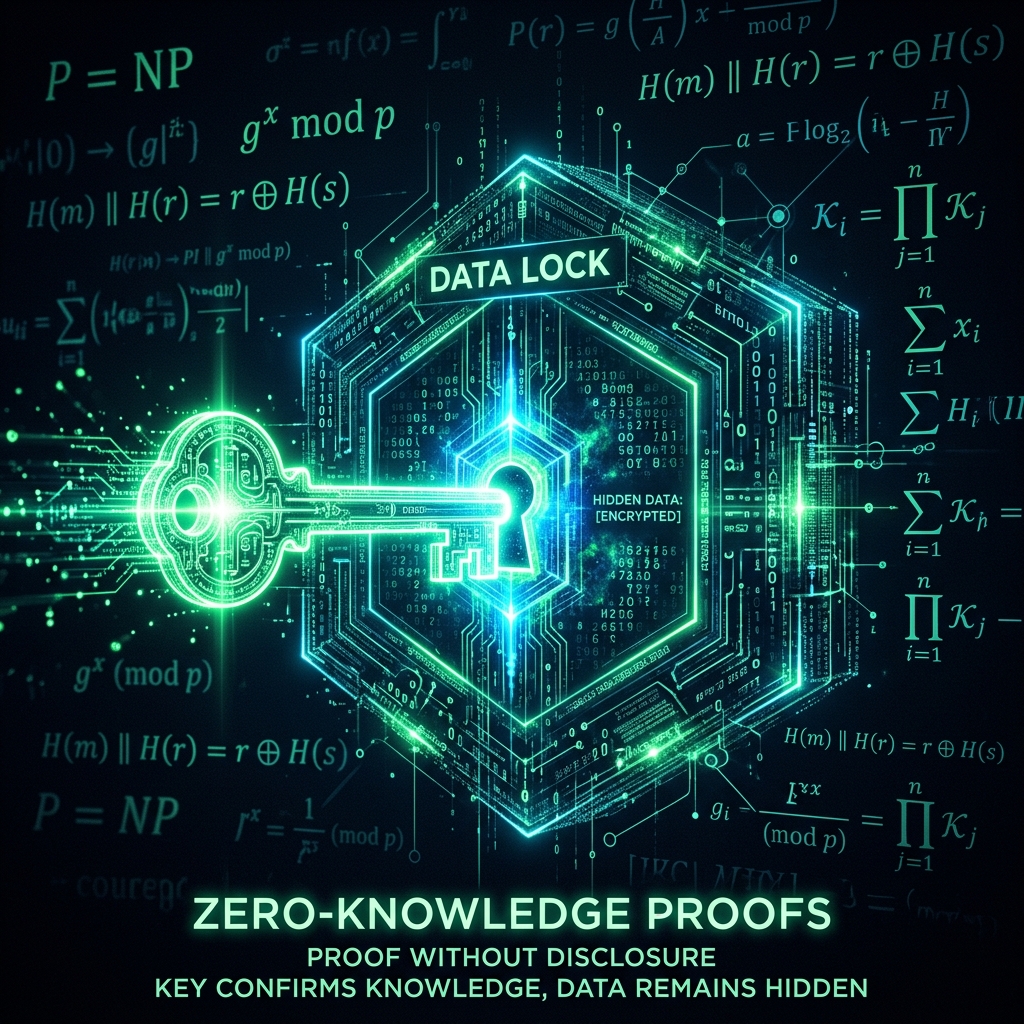
- Zero-knowledge proofs: Prove validity without revealing data
- Instant finality: No challenge period
- Higher security: Cryptographic guarantees
- Privacy: Can hide transaction details
Examples:
- zkSync Era: Full EVM compatibility
- Polygon zkEVM: Polygon’s ZK solution
- StarkNet: Cairo programming language
- Scroll: EVM-equivalent ZK-rollup
Pros:
- Instant withdrawals
- Strong security guarantees
- Potential for privacy
- No challenge period
Cons:
- Complex technology
- Higher computational costs
- Limited smart contract support (some)
- Longer proof generation time
3. Sidechains
How they work:
- Independent blockchain
- Connected to L1 via bridge
- Own consensus mechanism
- Separate security model
- Assets locked on L1, minted on sidechain
Key features:
- Independent: Own validators and consensus
- Fast: Optimized for performance
- Flexible: Can customize parameters
- Bridge-dependent: Requires trust in bridge
Examples:
- Polygon PoS: Largest sidechain, EVM compatible
- Gnosis Chain: xDai sidechain
- Boba Network: Optimistic sidechain
Pros:
- Very low fees
- Fast transactions
- Full EVM compatibility
- Mature ecosystem
Cons:
- Separate security model
- Bridge risks
- Less decentralized
- Different token economics
4. State Channels
How they work:
- Open channel with deposit
- Transactions off-chain
- Update state locally
- Close channel on L1
- Final state settled
Key features:
- Instant: No on-chain transactions needed
- Private: Transactions not public
- Low cost: Only pay for open/close
- Limited use cases: Best for repeated interactions
Examples:
- Lightning Network: Bitcoin payment channels
- Raiden Network: Ethereum state channels
- Connext: Cross-chain state channels
Pros:
- Near-instant transactions
- Very low fees
- Privacy
- No intermediaries
Cons:
- Limited to specific use cases
- Requires online participants
- Capital locked in channels
- Complex implementation
5. Plasma
How they work:
- Child chains with own blocks
- Periodic commitments to L1
- Exit mechanism to L1
- Fraud proofs for disputes
Status: Mostly deprecated in favor of rollups
Why: Complex user experience, long exit times
Comparing Layer 2 Solutions
Security Models
| Solution | Security Source | Trust Assumptions |
|---|---|---|
| Optimistic Rollups | L1 + Fraud Proofs | Honest majority |
| ZK-Rollups | L1 + Cryptographic Proofs | None (cryptographic) |
| Sidechains | Own Validators | Trust validators |
| State Channels | L1 Settlement | Counterparty |
Performance Comparison
| Solution | TPS | Finality | Fees |
|---|---|---|---|
| Optimistic Rollups | 1,000-4,000 | 7 days | $0.10-1.00 |
| ZK-Rollups | 2,000-9,000 | Instant | $0.05-0.50 |
| Sidechains | 7,000+ | Instant | $0.001-0.01 |
| State Channels | Unlimited* | Instant | Near-zero |
*Limited by channel capacity
Use Case Suitability
Optimistic Rollups: General-purpose DeFi, NFTs, dApps ZK-Rollups: Payments, high-frequency trading, privacy Sidechains: Gaming, social apps, high-volume transactions State Channels: Micropayments, repeated interactions
Major Layer 2 Ecosystems
Arbitrum
Overview: Largest L2 by TVL, optimistic rollup
Features:
- Full EVM compatibility
- Advanced fraud proof system
- Native token (ARB)
- Growing DeFi ecosystem
Stats:
- TVL: $2B+
- Transactions: 1M+ daily
- Projects: 500+
Optimism
Overview: Fast-growing optimistic rollup
Features:
- Superchain vision (connected L2s)
- OP Stack (modular framework)
- Retroactive funding
- Native token (OP)
Stats:
- TVL: $800M+
- Transactions: 500K+ daily
- Projects: 300+
Base
Overview: Coinbase’s L2, built on OP Stack
Features:
- Coinbase integration
- Rapid growth
- Developer-friendly
- Low fees
Stats:
- TVL: $600M+
- Transactions: 1M+ daily
- Projects: 200+
Polygon zkEVM
Overview: Polygon’s ZK-rollup solution
Features:
- EVM compatibility
- ZK-proof security
- Polygon ecosystem
- Low fees
Stats:
- TVL: $100M+
- Growing adoption
- Strong security
zkSync Era
Overview: Matter Labs’ ZK-rollup
Features:
- Full EVM compatibility
- Native account abstraction
- ZK-proof security
- Growing ecosystem
Stats:
- TVL: $500M+
- Transactions: 200K+ daily
- Projects: 100+
How to Use Layer 2 Solutions
Getting Started
1. Bridge Assets:
- Use official bridges
- Check bridge security
- Understand withdrawal times
- Start with small amounts
2. Choose a Wallet:
- MetaMask (supports most L2s)
- WalletConnect compatible
- Check L2 support
- Add custom networks
3. Explore dApps:
- DeFi protocols
- NFT marketplaces
- Gaming platforms
- Social applications
Popular Bridges
Official Bridges:
- Arbitrum Bridge
- Optimism Gateway
- Base Bridge
- Polygon Bridge
Third-Party Bridges:
- Hop Protocol
- Across Protocol
- Stargate Finance
- Synapse Protocol
Bridge Considerations:
- Security audits
- Liquidity depth
- Fees
- Speed
- Supported chains
Layer 2 Challenges
1. Fragmentation
Problem: Many L2s create fragmented liquidity
Solutions:
- Cross-chain protocols
- Unified interfaces
- Bridge aggregators
- Standardization efforts
2. Centralization Risks
Problem: Some L2s have centralized sequencers
Solutions:
- Decentralized sequencers
- Multiple sequencer options
- Governance mechanisms
- Community oversight
3. Bridge Security
Problem: Bridges are frequent attack targets
Solutions:
- Multiple security audits
- Insurance protocols
- Time delays for large withdrawals
- Multi-signature controls
4. User Experience
Problem: Complex onboarding and bridging
Solutions:
- Simplified interfaces
- Fiat on-ramps on L2
- Better wallet integration
- Educational resources
The Future of Layer 2
Emerging Trends
1. Modular Blockchains:
- Celestia (data availability)
- EigenLayer (restaking)
- Rollup-as-a-Service
2. Interoperability:
- Cross-chain messaging
- Unified liquidity
- Shared security
3. Account Abstraction:
- Smart contract wallets
- Gasless transactions
- Social recovery
4. ZK-Proof Improvements:
- Faster proof generation
- Lower costs
- Better tooling
Roadmap Predictions
2025-2026:
- ZK-rollups become dominant
- Improved interoperability
- Better user experience
- Lower fees
2027+:
- Seamless cross-chain experience
- Unified liquidity pools
- Mainstream adoption
- Enterprise integration
Best Practices
For Users
- Research L2s: Understand security models
- Use official bridges: Lower risk
- Start small: Test with small amounts
- Monitor security: Stay informed
- Diversify: Don’t put all assets on one L2
For Developers
- Choose wisely: Match L2 to use case
- Test thoroughly: Different L2 behaviors
- Consider bridges: Cross-chain functionality
- Optimize for L2: Lower gas costs
- Monitor: Track performance
For Businesses
- Evaluate options: Compare L2s
- Consider costs: Fees and infrastructure
- Plan migration: From L1 to L2
- User experience: Simplify onboarding
- Security: Audit and insurance
Conclusion
Layer 2 solutions are essential for blockchain’s future. They solve the scalability problem while maintaining security and decentralization. As the technology matures, we’re seeing:
- Lower fees: Making blockchain accessible
- Faster transactions: Enabling new use cases
- Better UX: Simplifying user experience
- Growing ecosystems: More dApps and users
Key takeaways:
- L2s solve scalability: Without sacrificing security
- Different types: Each has strengths and weaknesses
- Rapid growth: Adoption accelerating
- Future is modular: Multiple solutions working together
The blockchain trilemma isn’t solved, but L2 solutions are getting us closer. As technology improves and adoption grows, Layer 2 will be the foundation for the next generation of blockchain applications.
Whether you’re a user, developer, or business, understanding Layer 2 is essential for navigating the Web3 landscape. The future of blockchain is multi-layered, and Layer 2 is leading the way.