· Blockchain · 1 min read
Understanding Real World Assets (RWA) in Web3
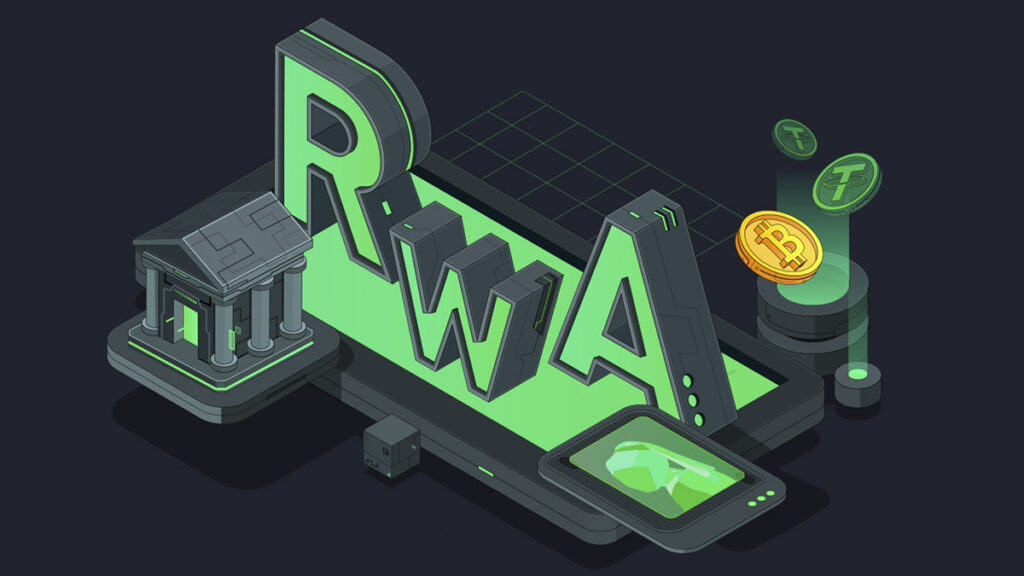
Real World Assets (RWA): Bridging Traditional Finance with Web3
Real World Assets (RWA) represent a paradigm shift in how traditional assets are represented and traded on blockchain networks. This analysis examines the technical implementation and implications of RWA tokenization in the Web3 ecosystem.
Technical Implementation
RWA tokenization involves the conversion of physical or traditional assets into digital tokens on blockchain networks. The process typically follows these steps:
- Asset Identification and Valuation
- Smart Contract Development
- Token Creation and Distribution
- Regulatory Compliance Integration
- Trading Infrastructure Setup
Key Components
Smart Contract Architecture
// Simplified RWA token contract structure
contract RWAToken is ERC20 {
    mapping(address => uint256) public assetBacking;

    function mint(address to, uint256 amount) external {
        require(assetBacking[msg.sender] >= amount, "Insufficient backing");
        _mint(to, amount);
    }
}
Asset Types
- Real Estate
- Commodities
- Financial Instruments
- Intellectual Property
- Carbon Credits
Market Impact
The tokenization of real-world assets has introduced several key benefits:
- Increased Liquidity
- Reduced Transaction Costs
- Enhanced Market Accessibility
- Improved Transparency
- Automated Compliance
Technical Challenges
Current implementations face several technical hurdles:
- Oracle Integration
- Cross-chain Interoperability
- Regulatory Compliance
- Security Protocols
- Scalability Solutions
Future Developments
The evolution of RWA tokenization is expected to focus on:
- Advanced Smart Contract Templates
- Enhanced Security Protocols
- Improved Regulatory Frameworks
- Cross-chain Standardization
- Automated Compliance Systems
Conclusion
RWA tokenization represents a significant advancement in blockchain technology, offering a bridge between traditional finance and decentralized systems. The technical implementation continues to evolve, addressing challenges in security, compliance, and interoperability.